Best AI Tools for SaaS Founders in 2026: A Practical Guide
What controlled studies say about AI productivity for small software teams, how each tool category works and fails, and a simple test method before adopting any of them.
Founders of small software companies are short of time and people, and AI tools promise to fill the gap. The marketing around them is loud, and the independent evidence is quieter and more mixed. This guide groups common tools by the job they do, describes the mechanism behind each category, and suggests how to test a tool before building a process on it. It is written as analysis rather than a recommendation list: product features and pricing change monthly, so the useful part is the method for deciding, not the names.
What the evidence says about productivity
Some controlled studies exist. In an online experiment on professional writing tasks, access to a generative model reduced the time taken and raised rated quality on average (Noy and Zhang, 2023). A study of customer-support agents found that an AI assistant raised productivity, with the largest gains for less experienced workers (Brynjolfsson, Li and Raymond, 2023). On software, an experiment with GitHub Copilot found that developers with access completed a defined programming task faster (Peng and colleagues, 2023), while a later randomised trial of experienced open-source developers working on their own mature codebases reported that the tools made them slower on average (METR, 2025). The pattern is consistent: gains are real for well-defined, self-contained tasks, and less certain for complex work in a large existing system. Founders should expect their own results to vary and should measure them.
Language assistants for drafting
General assistants such as ChatGPT draft landing-page copy, onboarding emails and FAQ entries, and help brainstorm product ideas. The mechanism is next-word prediction trained on large text collections, which makes them fluent in the typical shape of marketing copy. That is also their weakness: output tends toward the generic and may repeat claims common in your category that you cannot substantiate. Treat copy as a draft that a person with product knowledge must edit, and never publish a feature, security or compliance claim the model produced without checking it against what the product actually does.
Long-document work
Some assistants, Claude among them, are used to read lengthy material such as board papers, support transcripts or contracts.

The risk to manage is selective attention: research on long inputs shows that models can use information in the middle of a long document less reliably than at the edges (Liu and colleagues, 2024). A reasonable control is to ask for quoted evidence for each point in a summary and to read the clauses that matter yourself. A model summary of a contract is not legal advice; any contract with real consequences deserves a qualified lawyer. Also consider confidentiality: customer data, investor materials and unsigned agreements should only go to services whose terms you have read and whose data handling fits your obligations.
Answer engines for market research
Tools such as Perplexity combine a language model with live web search and show sources next to the answer.
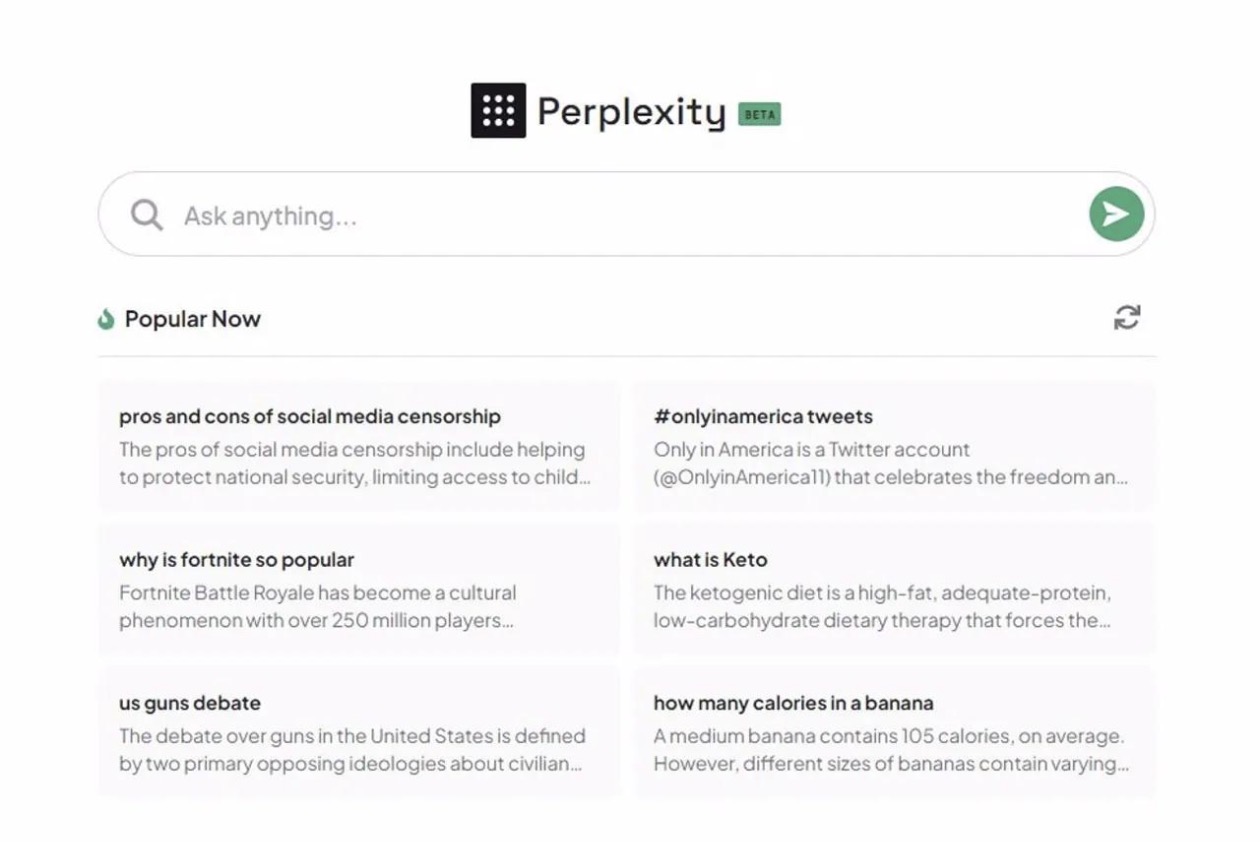
This is useful for a first orientation to a market, a competitor's announced features or recent news, because you can click through. The checking step is the point: open the cited pages and confirm that they say what the summary claims. Search-grounded answers can still misquote a source or rely on a low-quality page. Competitor information drawn from marketing pages describes what the competitor wants to be believed; customer reviews, public documentation and your own trials are better evidence of what a product does.
Document-grounded notebooks for feedback analysis
NotebookLM and similar tools restrict the model to material you upload, which suits analysing interview notes, survey comments or support tickets.
These tools retrieve passages and generate answers conditioned on them, an approach called retrieval-augmented generation (Lewis and colleagues, 2020). Grounding makes answers checkable but not infallible. A practical test: take fifty customer comments you have already coded by hand, ask the tool to cluster them into themes, and compare. If the tool misses a theme you found, or merges two distinct complaints, you have learned how far to trust its summaries of the next five hundred. Remove personal data before uploading customer messages.
Coding assistants
GitHub Copilot, Cursor and similar tools suggest or write code inside the editor.
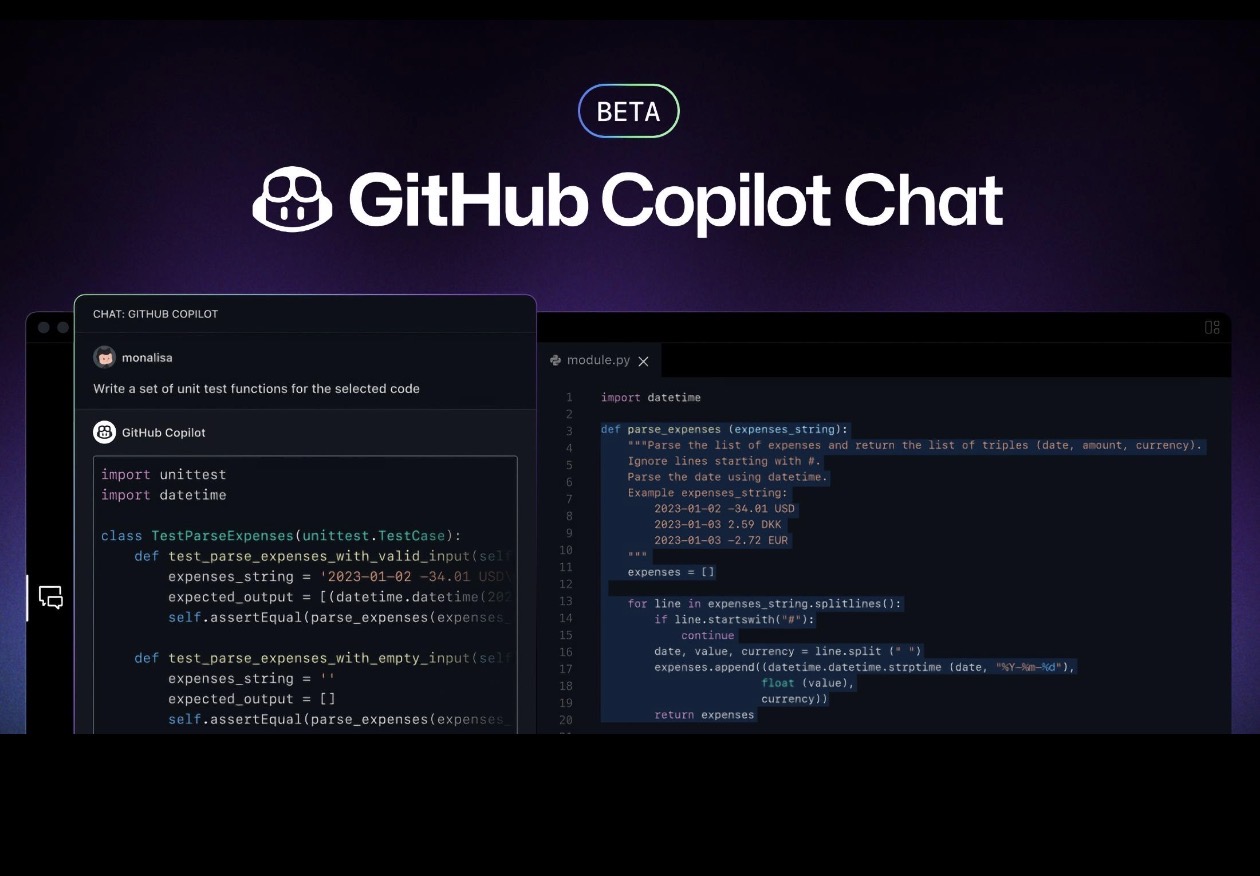
They are strongest on boilerplate, tests, documentation and unfamiliar libraries; they are weaker on architecture and on subtle business rules. Generated code can contain bugs and insecure patterns, so keep code review, automated tests and dependency scanning in place, and be especially careful with authentication, payments and input handling. Check the licence and data-sharing terms of the service you use, and decide whether proprietary code may be sent to it. A founder who is not a developer should be aware that a prototype produced this way can be hard to maintain without understanding it.
Design assistants
Design tools with generative features, such as Canva's, produce social posts, banners and slides quickly.
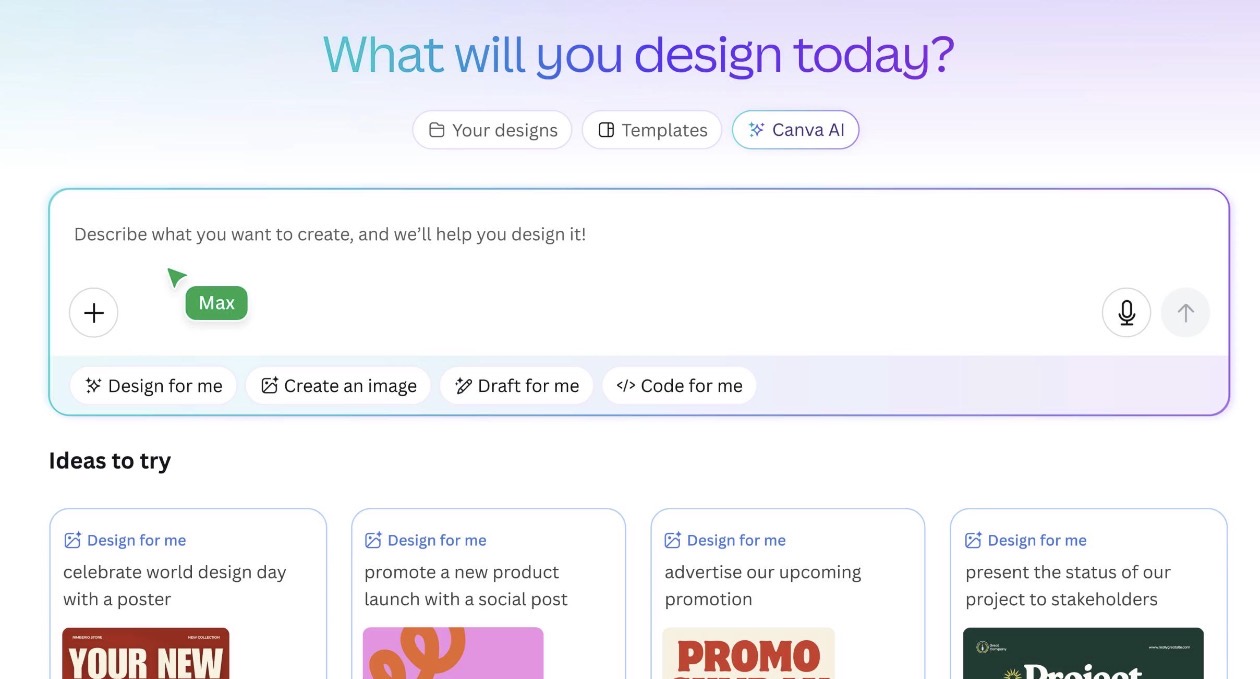
Speed is the benefit; consistency is the cost. Without a defined brand system, outputs drift in colour, type and tone. Check the licence terms for commercial use of generated images, and avoid generated images that imply real customers, testimonials or product screenshots that do not exist.
Support automation
AI customer-support agents such as Intercom's answer routine questions about billing, setup and account access.
The key quantity is not how many conversations the bot handles but how many it resolves correctly. Measure resolution rate, escalation rate and customer satisfaction on the same questions before and after. A support bot that confidently states a refund policy that does not exist creates a liability. Give it a defined knowledge base, make human escalation easy, and review a sample of conversations weekly.
A small selection method
- Write down the task, the current time cost and what an error would cost.
- Build a test set from real examples with known good answers.
- Run the tool, score the output blind if you can, and record failures.
- Check data handling terms against the data you would actually send.
- Estimate monthly cost at your real volume, and ask what you would do if the tool disappeared or changed.
Prefer fewer tools used deliberately over a long stack; every tool is another place for customer data to flow and another subscription to audit.
Limitations and open questions
Most published studies use short, well-specified tasks and short time horizons. Long-run effects on code quality, brand voice and support quality in small companies are not well measured. It is also unclear how fast model behaviour changes under a product name: the same tool can behave differently after an update, so a test you ran in spring may not describe the product in autumn.
What founders should test
- Does the tool beat your current process on your own test set, after review time is counted?
- Which errors does it make, and are they the kind your team would catch?
- What leaves your company when you use it, and is that acceptable under your customer contracts?
References and further reading
- Noy, S. and Zhang, W. (2023). Experimental evidence on the productivity effects of generative artificial intelligence. Science, 381.
- Brynjolfsson, E., Li, D. and Raymond, L. (2023). Generative AI at Work. NBER Working Paper.
- Peng, S. et al. (2023). The Impact of AI on Developer Productivity: Evidence from GitHub Copilot. arXiv.
- METR (2025). Measuring the Impact of Early-2025 AI on Experienced Open-Source Developer Productivity.
- Liu, N. F. et al. (2024). Lost in the Middle: How Language Models Use Long Contexts. Transactions of the Association for Computational Linguistics, 12.
- Lewis, P. et al. (2020). Retrieval-Augmented Generation for Knowledge-Intensive NLP Tasks. Advances in Neural Information Processing Systems 33.
ScienceTrace covers AI, technology, scientific research, SaaS, and innovation to help readers navigate the rapidly evolving digital landscape.