Latest Moon Landing & Artemis News 2026

NASA's modern Moon exploration program is moving rapidly forward in 2026 with historic astronaut missions, future lunar base plans, and new Moon technologies.
Artemis II Successfully Returns From the Moon
NASA recently completed the historic Artemis II mission — the first crewed trip around the Moon in more than 50 years. Four astronauts traveled aboard the Orion spacecraft during a 10-day mission before safely splashing down in the Pacific Ocean.

Artemis II Crew
- Reid Wiseman
- Victor Glover
- Christina Koch
- Jeremy Hansen
NASA says the mission is a major step toward returning humans to the lunar surface and eventually reaching Mars.
NASA Preparing Permanent Moon Base Plans
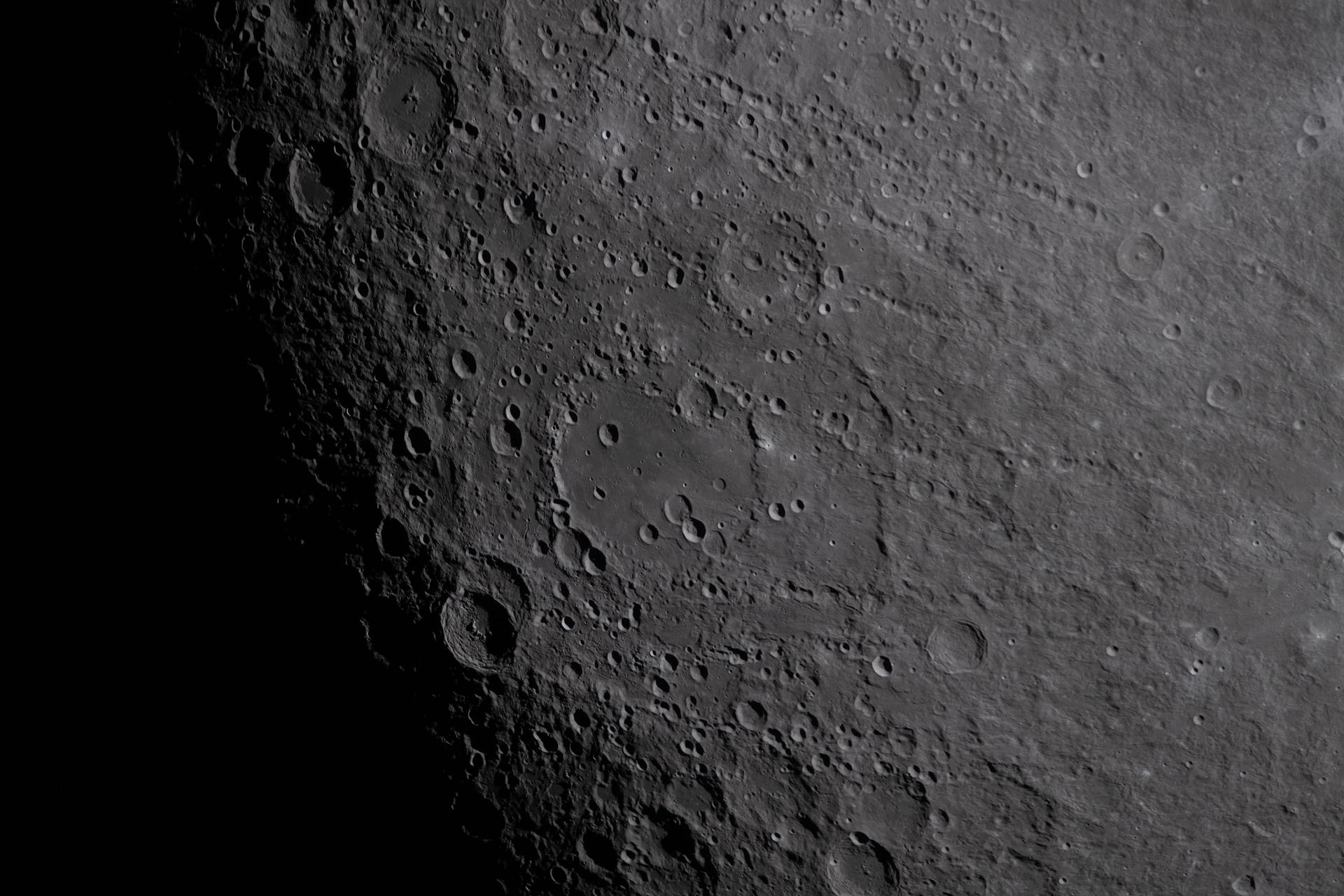
NASA announced that it will reveal updated plans for a long-term human Moon base during a major briefing on May 26. Scientists are focusing on the Moon's south pole because it may contain water ice and useful resources.
The future Moon base could include:
- Astronaut habitats
- Lunar rovers
- Scientific laboratories
- Communication systems
- Power stations
Experts believe these bases could become training grounds for future Mars missions.
New Lunar GPS Technology Could Change Moon Exploration
Researchers are now developing a GPS-style navigation system for the Moon using lasers placed inside lunar craters. The technology could help future astronauts and rovers navigate independently without relying completely on Earth.

Artemis III and Future Moon Missions
NASA's upcoming Artemis III mission will test advanced docking systems and private lunar landers from SpaceX and Blue Origin.
Meanwhile, Artemis IV and Artemis V are expected to focus on building long-term lunar infrastructure and supporting future Moon landings.
Stunning Artemis Space Photography
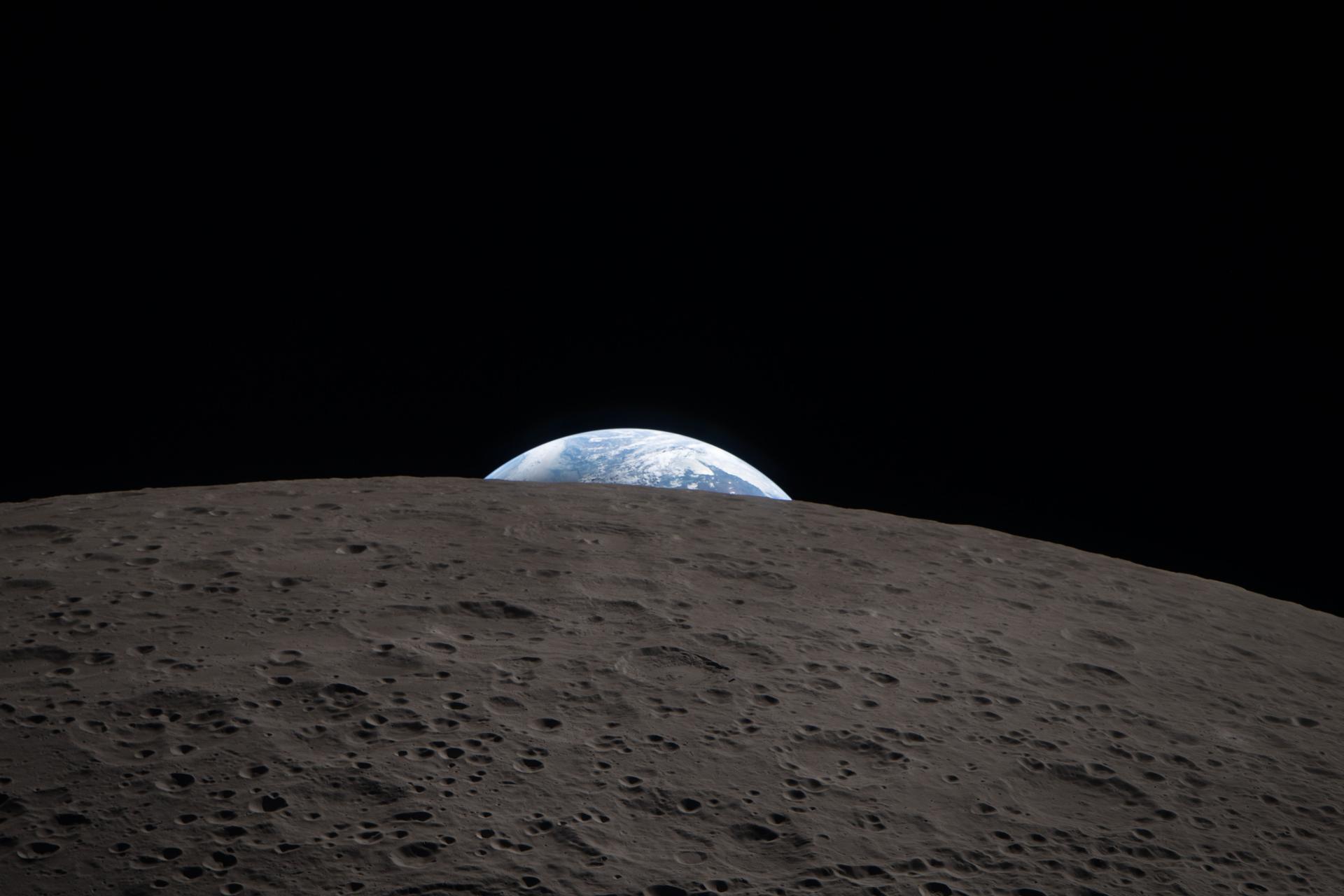
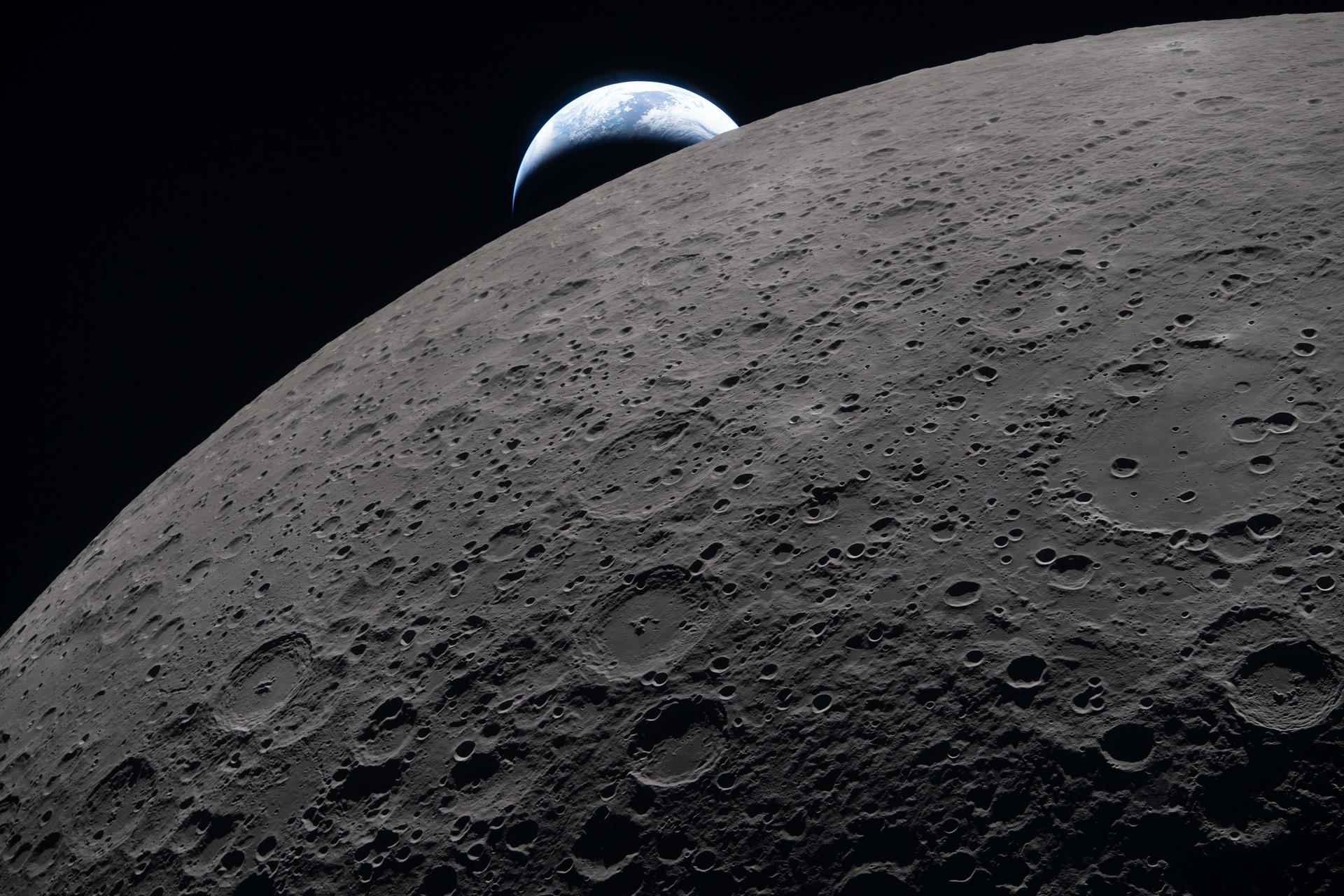
NASA recently released more than 12,000 new images from the Artemis II mission, including incredible photographs of Earth, the Moon, and deep space views captured by astronauts aboard Orion.
Final Thoughts
The Moon is once again becoming the center of global space exploration. With Artemis missions, future lunar bases, and advanced space technology, humanity is entering a new era of exploration beyond Earth.
For more space, AI, and future technology news, visit ScienceTrace.