Black Holes: The Universe's Most Powerful Mystery

A black hole is one of the strangest and most powerful objects in space — a place where gravity is so strong that nothing, not even light, can escape. Discover the types, formation, and mysteries of black holes.
A black hole is one of the strangest and most powerful objects in space. It is a place where gravity becomes so strong that nothing can escape — not even light.
Scientists still study black holes to understand how space, time, and the universe behave under extreme conditions.
What Exactly Is a Black Hole?
A Black Hole is formed when a massive star collapses after it runs out of fuel.
When the star dies:
- Its core shrinks rapidly
- Gravity pulls everything inward
- Matter becomes extremely dense
- A powerful gravitational field is created
At the center lies a mystery called the singularity, where physics as we know it stops working.
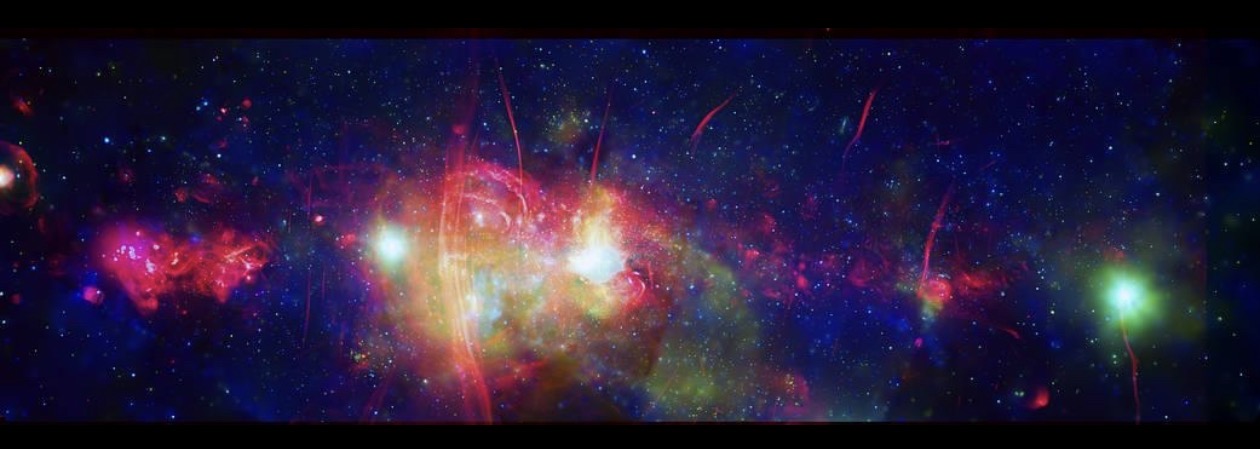
How Black Holes Are Born
Black holes usually form in three steps:
- A huge star burns its fuel
- The star explodes in a supernova
- The remaining core collapses under gravity
The result is an object with infinite density and extremely strong gravity.
Different Types of Black Holes
1. Stellar Black Holes
- Formed from dying stars
- Small but extremely dense
- Common in galaxies
2. Supermassive Black Holes
- Found at the center of galaxies
- Millions or billions of times heavier than the Sun
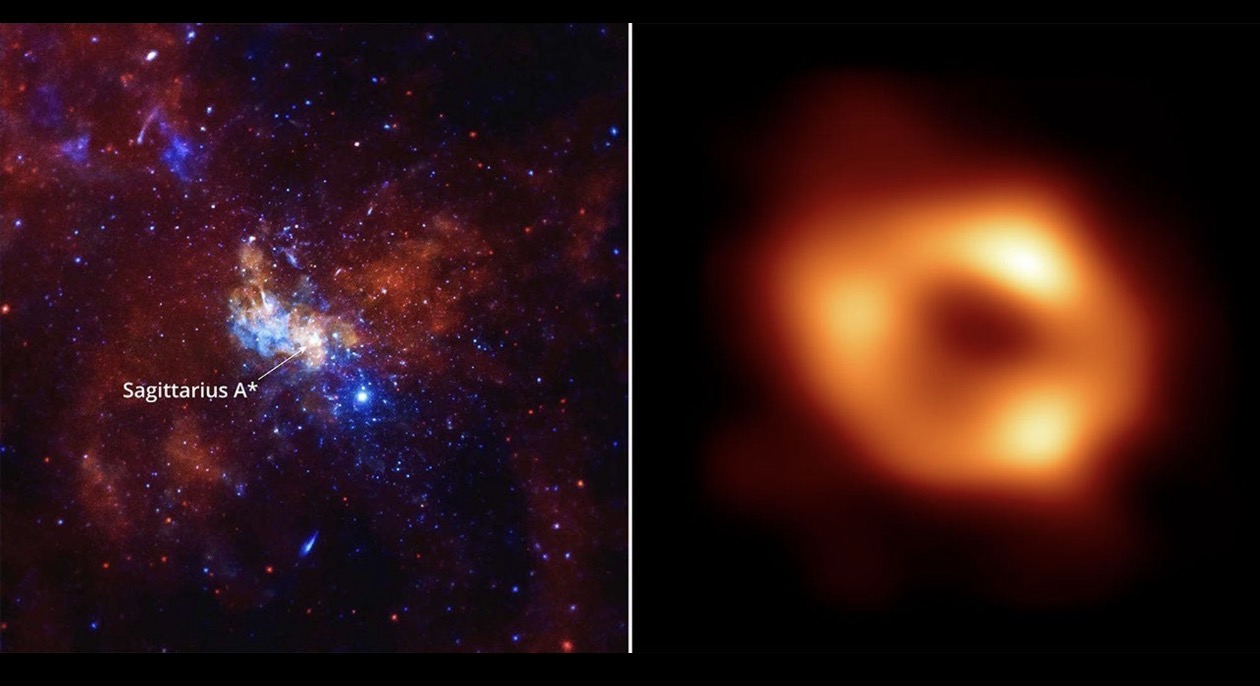
- Example: the one at the center of the Milky Way
3. Intermediate Black Holes
- Still being studied
- Medium size between stellar and supermassive
What Happens If You Get Close?
If you get near a black hole, strange things start to happen:
- Time slows down
- Gravity becomes extremely strong
- Objects stretch like spaghetti ("spaghettification")
- Light bends around the black hole
The closer you go, the more extreme it becomes.
Can We See a Black Hole?
Black holes are invisible because no light can escape them.
But scientists detect them using:
- Hot glowing gas around them
- Movement of nearby stars
- X-ray signals
- Radio telescope images
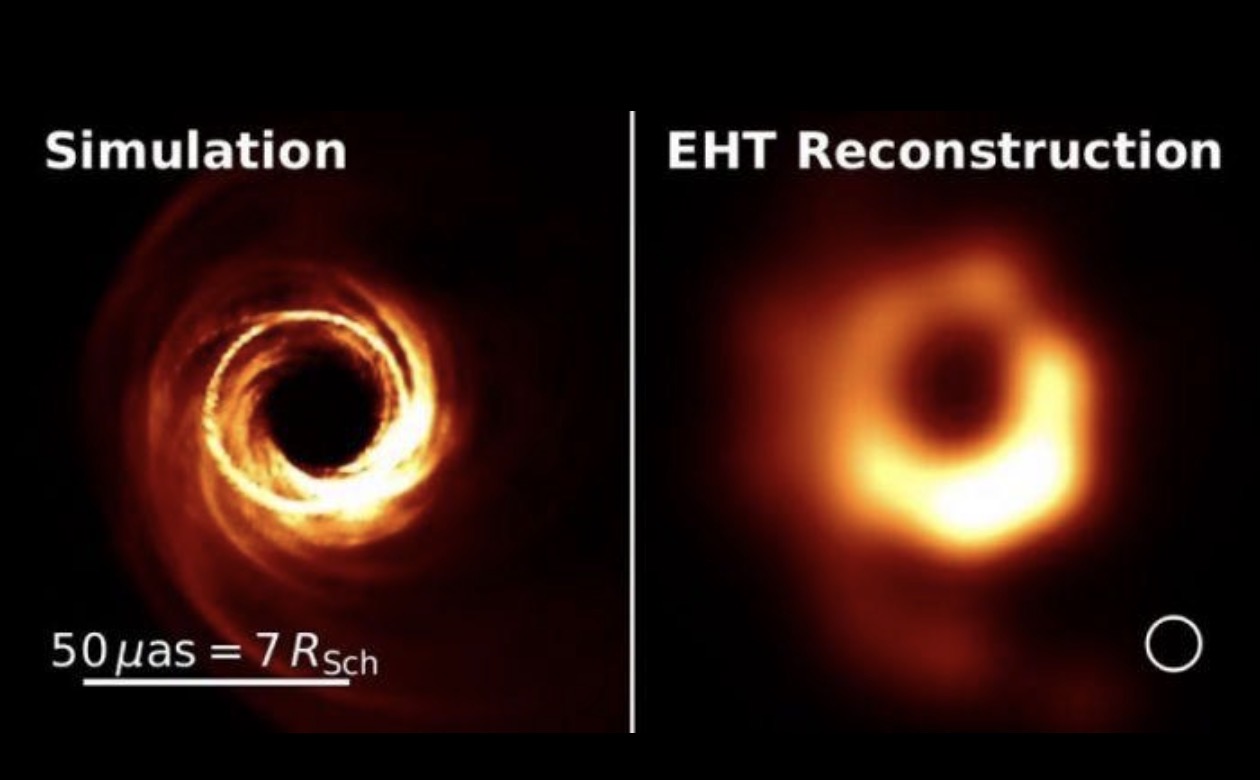
First Real Black Hole Image
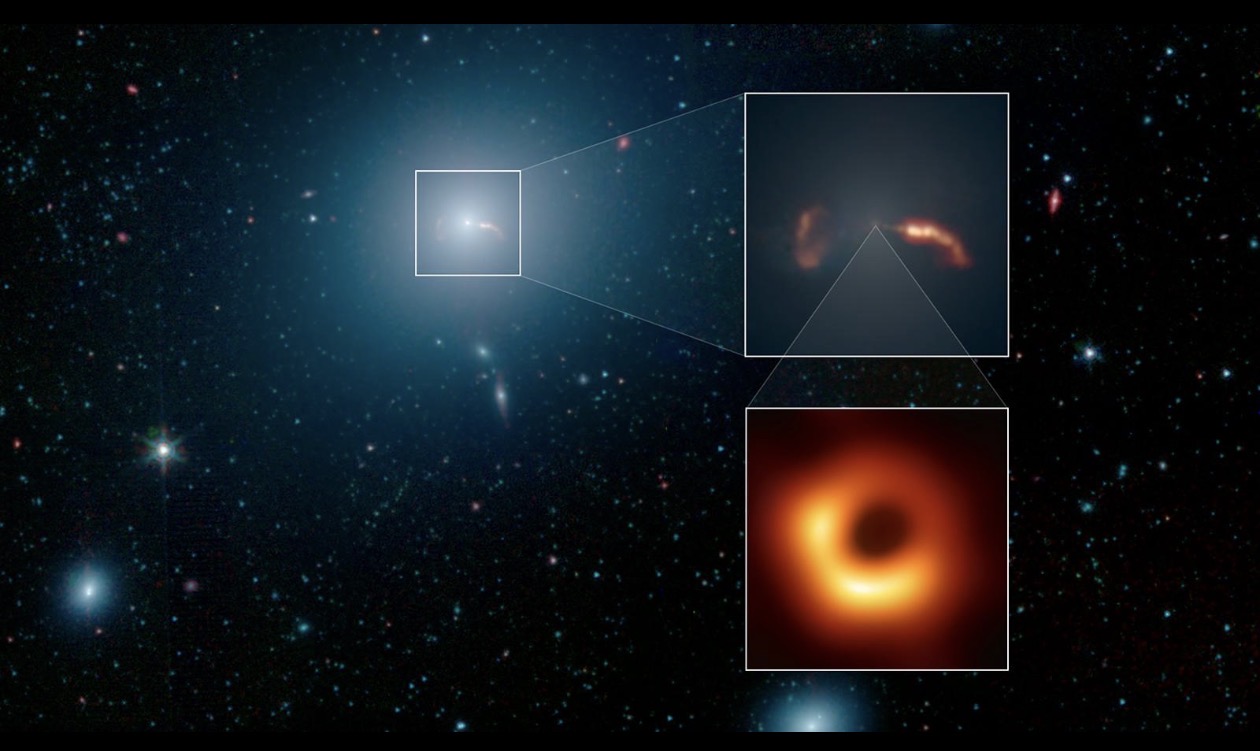
In 2019, scientists captured the first-ever image of a black hole in galaxy M87. Later, they also imaged Sagittarius A*, the black hole at the center of our galaxy.
What's Inside a Black Hole?
Inside a black hole, science still has no complete answer.
Possible ideas include:
- A singularity where matter is crushed
- Space and time breaking down completely
- Unknown physics beyond current science
It remains one of the biggest mysteries in physics.
Are Black Holes Dangerous for Earth?
No. Earth is completely safe.
Even though black holes are powerful, they are:
- Extremely far away
- Not near our solar system
- Not pulling Earth toward them
So there is no danger to our planet.
Why Black Holes Matter
Black holes help scientists understand:
- Gravity at extreme levels
- How galaxies are formed
- The behavior of space and time
- The limits of physics
They are key to unlocking the secrets of the universe.
Final Thoughts
A Black Hole is not just a cosmic object — it is a doorway into some of the deepest mysteries of science. As technology improves, we may one day understand them more clearly.
For more space and science articles, visit ScienceTrace.