
A decade ago, learning artificial intelligence was expensive.
Students needed powerful computers, expensive software, and access to specialized hardware. For many aspiring researchers and developers, the cost alone was enough to keep AI out of reach.
Today, things look very different.
Imagine two students.
One owns a high-end laptop with the latest graphics card.
The other uses an aging laptop that struggles to keep multiple browser tabs open.
Who has the better chance of learning machine learning?
Surprisingly, the answer may be: both.
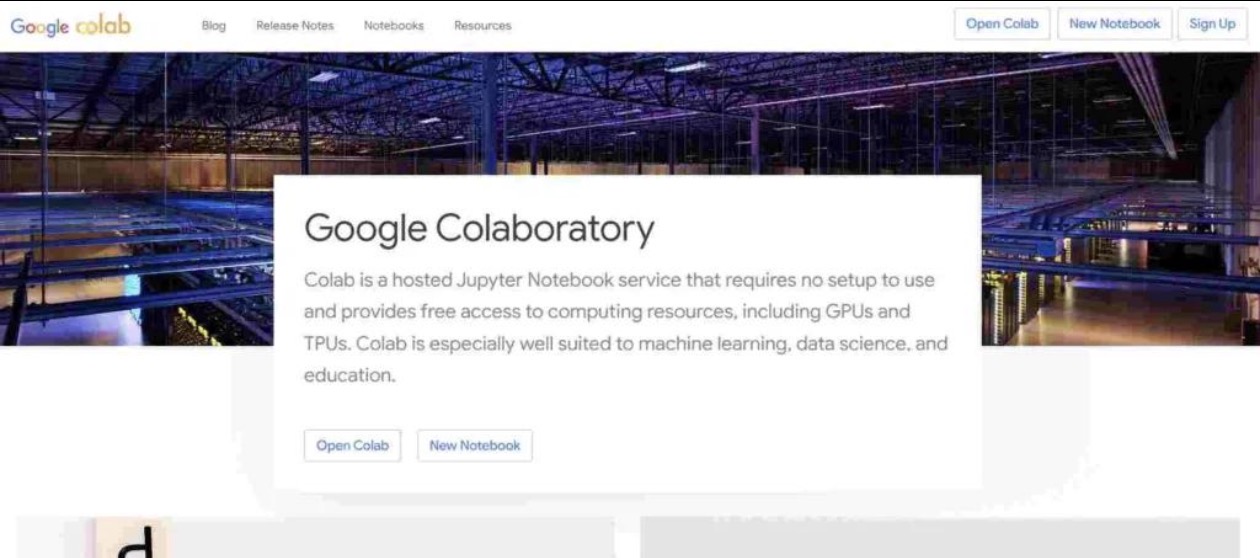
Thanks to Google Colab, students around the world can access cloud computing resources, write Python code, analyze data, and train AI models directly from a web browser.
For many learners, Google Colab is not just another tool.
It is an opportunity.
The Moment Everything Changed
Meet Amina, a fictional but realistic example based on thousands of students worldwide.
Amina is studying environmental science. She keeps hearing about artificial intelligence and data science but assumes these technologies are reserved for computer scientists with expensive hardware.
One day, she discovers Google Colab.
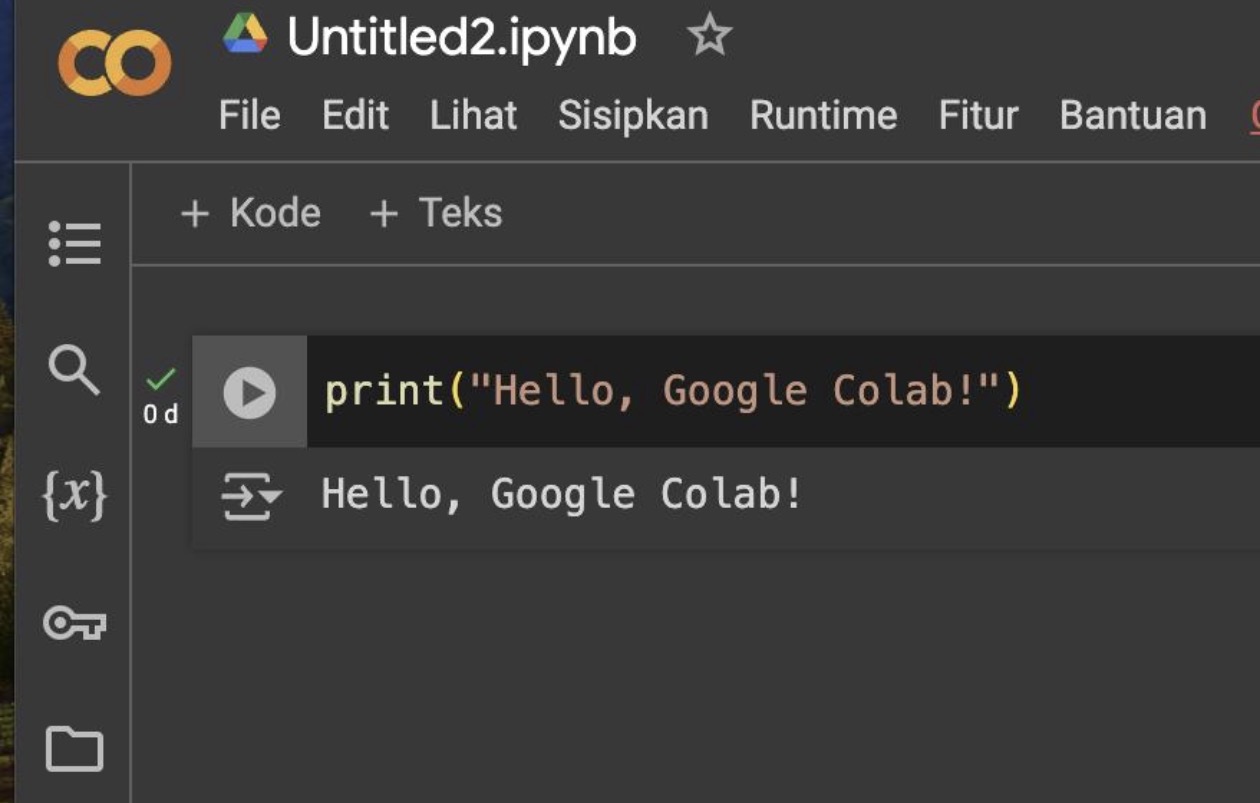
Within an hour, she is running Python code.
Within a week, she is analyzing environmental datasets.
Within a month, she has completed her first machine learning project.
The hardware she used?
An ordinary laptop and an internet connection.
More Than Just a Coding Platform
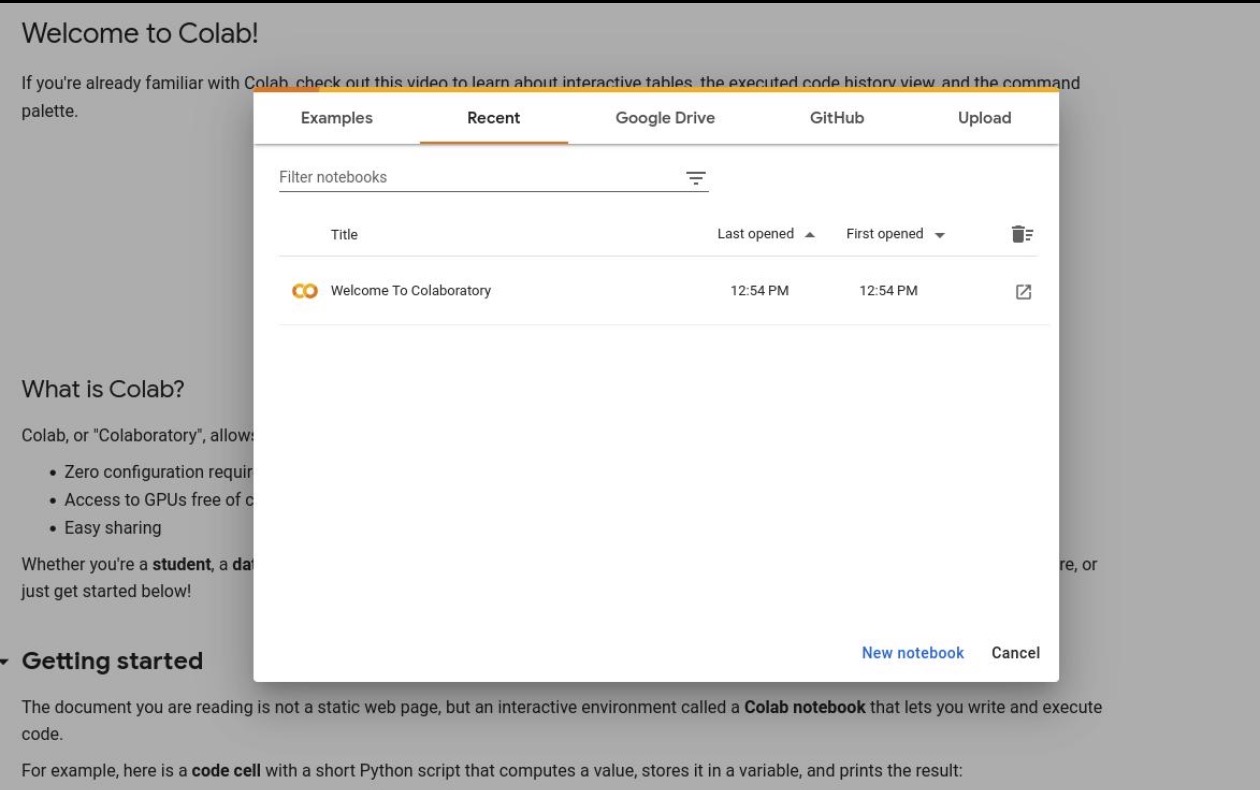
At first glance, Google Colab looks like a simple online notebook.
But behind the interface lies something much more powerful.
Students can:
- Write Python code
- Analyze large datasets
- Create visualizations
- Train machine learning models
- Access cloud GPUs
- Collaborate with classmates and researchers
Without installing complicated software.
Without spending hundreds of dollars.
Without needing advanced technical knowledge.
Turning Research Data Into Discoveries
Imagine you are conducting a survey involving 2,000 participants.
You have collected responses about education, technology usage, and career goals.
Now what?
Traditionally, analyzing such data could take days or even weeks.
With Google Colab, students and researchers can:
- Clean messy datasets
- Generate charts automatically
- Calculate statistical summaries
- Identify patterns and trends
Instead of manually sorting rows and columns, researchers can focus on what matters most: understanding the results.
Teaching Computers to Predict the Future
One of the most popular beginner projects in machine learning involves predicting house prices.
The idea sounds complicated.
In practice, students simply provide historical data such as:
- House size
- Number of rooms
- Location
- Sale price
The machine learning model learns from past examples and predicts future values.
What makes this exciting is not the prediction itself.
It is the realization that students are building systems capable of learning from data.
For many learners, this project becomes their first step into the world of AI.
When Biology Meets Artificial Intelligence
AI is not only for computer scientists.
A biology student can analyze genetic information.
A public health researcher can study disease trends.
An economist can examine market patterns.
A social scientist can analyze thousands of survey responses.
Google Colab is helping bridge the gap between disciplines.
Researchers no longer need to become software engineers before benefiting from computational tools.
The Portfolio Advantage
Employers and graduate schools increasingly want evidence of practical skills.
This creates an important question:
How can students prove what they know?
One answer is through projects.
Google Colab notebooks allow students to showcase:
- Data analysis projects
- Research workflows
- AI experiments
- Scientific visualizations
A portfolio filled with real projects often tells a stronger story than a list of completed courses.
Why This Matters
Perhaps the most important impact of Google Colab is not technical.
It is social.
For decades, access to advanced computing was concentrated in wealthy institutions and organizations.
Today, a student, researcher in Dhaka, Nairobi, Jakarta, or São Paulo can access many of the same tools used by researchers in leading universities.
Talent is distributed everywhere.
Opportunity is not.
Platforms like Google Colab help narrow that gap.
The ScienceTrace Perspective
At ScienceTrace, we believe the future of research and innovation depends on accessibility.
Brilliant ideas can come from any classroom, laboratory, or corner of the world.
The challenge is ensuring people have the tools to explore those ideas.
Google Colab does not solve every problem.
But it removes one major barrier: access to computing power.
For students, researchers, and curious learners, that can make all the difference.
Final Thoughts
The next breakthrough AI model may not come from a billion-dollar company.
The next important scientific discovery may not begin in a famous laboratory.
It could start with a student & researcher.
A simple idea.
An internet connection.
And a free Google Colab notebook waiting for its first line of code.
The future of innovation is not being built only by those with the most powerful computers.
It is being built by those willing to learn, experiment, and keep asking questions.
Read more technology and research insights at sciencetrace.com
#GoogleColab #AI #MachineLearning #DataScience #Research #Students #Python #ScienceTrace