A few years ago, running advanced AI models required access to expensive cloud servers packed with powerful GPUs. Today, AI can write code, generate images, summarize research papers, and act as a digital assistant—but most of that intelligence still lives in the cloud.
NVIDIA wants to change that.
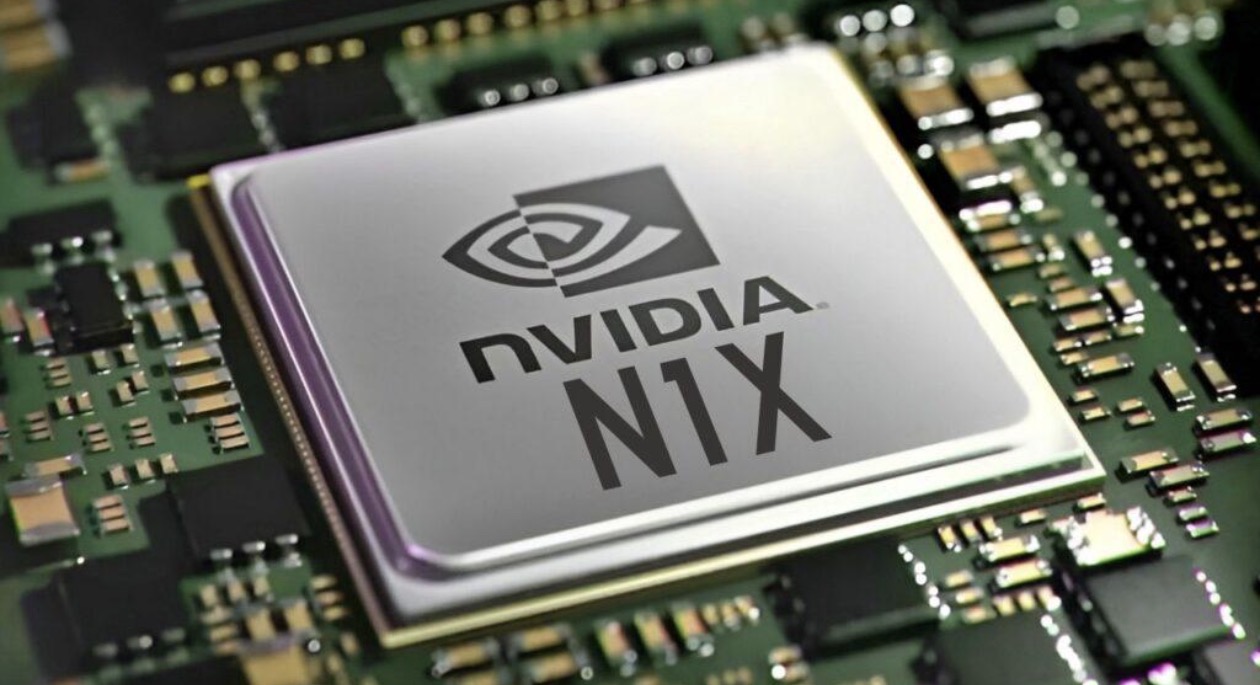
At Computex 2026, the company unveiled the N1X, a new AI-focused processor that could mark the beginning of a major shift in personal computing. Instead of sending requests to distant data centers, future laptops powered by the N1X may be capable of running sophisticated AI models directly on the device.
The message from NVIDIA is clear: the future of AI isn't just in the cloud. It's on your desk.
The End of the Traditional PC?
For decades, personal computers have followed a familiar formula. A CPU handled general tasks, a GPU accelerated graphics, and applications depended heavily on internet-connected services for advanced computing.
But the rise of generative AI has changed everything.
Modern AI systems demand enormous computational power. Whether generating images, assisting with scientific research, writing software, or analyzing data, AI workloads have become one of the most demanding tasks a computer can perform.
The N1X was built for this new reality.
Rather than treating AI as an optional feature, NVIDIA designed the chip around AI from the ground up.
What Makes the N1X Different?
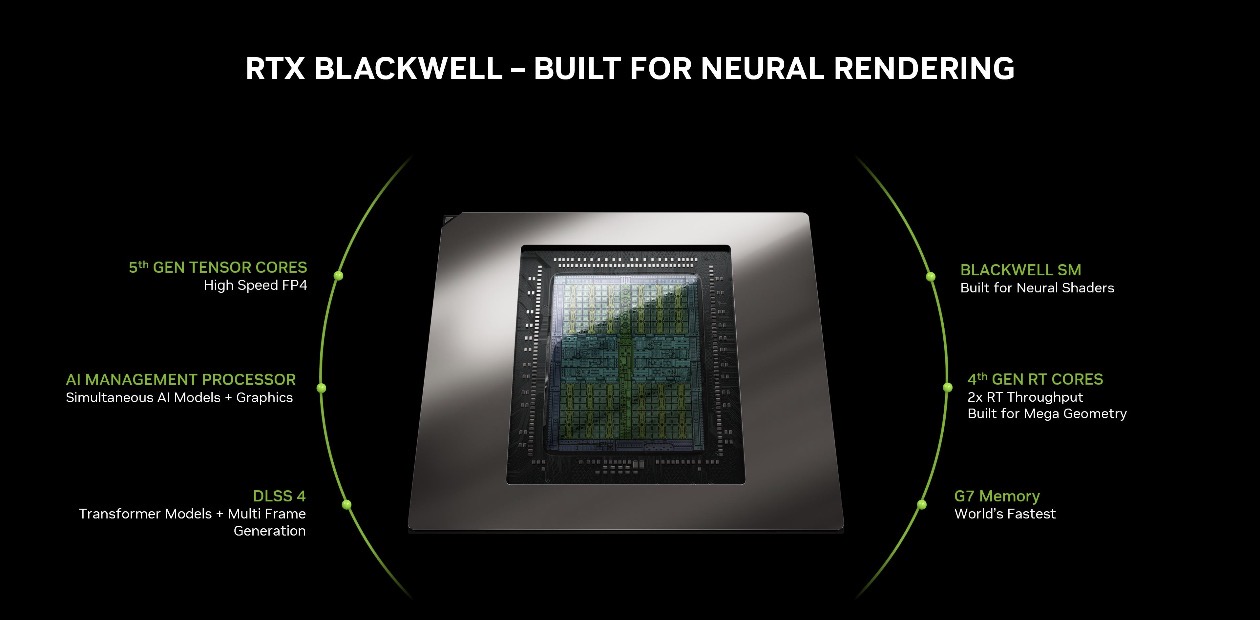
The N1X combines a powerful ARM-based CPU, NVIDIA's latest Blackwell graphics architecture, unified memory, and dedicated AI acceleration into a single platform.
Reported specifications include:
- 20-core ARM processor
- Blackwell GPU with 6,144 CUDA cores
- Up to 128GB unified memory
- Advanced AI acceleration hardware
- Support for large local language models
Those numbers are impressive, but they tell only part of the story.
The real innovation lies in what users may be able to do with that hardware.
Imagine opening a laptop and running a powerful AI assistant without an internet connection.
Imagine analyzing research data, generating software code, creating videos, or interacting with a large language model—all without relying on a cloud subscription.
That's the vision NVIDIA is selling.
Why Local AI Matters
Most AI tools today depend on remote servers.
When you ask a chatbot a question or generate an image, the heavy lifting usually happens somewhere else. Your request travels across the internet, is processed in a data center, and the result is sent back to your device.
That model works, but it has limitations.
Local AI offers several advantages:
Faster Performance
Without internet latency, AI responses can be nearly instantaneous.
Greater Privacy
Sensitive documents, business information, and research data remain on the user's device.
Lower Costs
Organizations can reduce dependence on expensive cloud infrastructure.
Offline Intelligence
AI tools continue working even when internet access is unavailable.
For professionals, researchers, and businesses, these advantages could be transformative.
NVIDIA's Biggest Challenge Yet
The N1X isn't entering an empty market.
Apple's M-series processors have already demonstrated the power of unified computing architectures. Qualcomm is pushing ARM-based Windows laptops. Intel and AMD continue to dominate large portions of the PC industry.
Yet NVIDIA possesses something its competitors are racing to build: deep expertise in AI.
For years, NVIDIA GPUs have powered many of the world's most advanced AI systems, including large language models and scientific computing platforms.
Now the company is bringing that experience directly into personal computers.
If successful, the N1X could become the AI equivalent of what Apple's M1 chip represented for modern laptops—a turning point that changes expectations for the entire industry.
What This Means for Researchers
For students and researchers, the implications are particularly exciting.
Today, many AI projects require expensive cloud GPUs or access to institutional computing resources.
A sufficiently powerful AI PC could place advanced machine learning tools directly into the hands of individual researchers.
Potential applications include:
- Running local language models
- Scientific data analysis
- Literature reviews
- AI-assisted coding
- Computational research
- Educational tutoring systems
This shift could lower barriers to entry for AI-powered research and innovation worldwide.
A New Era for Creators
Content creators may benefit just as much.
Video editors, designers, filmmakers, and digital artists increasingly rely on AI-enhanced workflows.
Tasks that once took hours can now be completed in minutes using AI-assisted tools.
With dedicated AI hardware built into the N1X, creators may gain faster rendering, improved editing workflows, and greater freedom to work without cloud-based limitations.
In many ways, the chip represents a convergence of creativity and artificial intelligence.
The Bigger Picture
The launch of the N1X isn't simply about another processor.
It reflects a broader industry transformation.
The personal computer is evolving from a productivity machine into an intelligent collaborator.
Future PCs may understand context, automate repetitive tasks, assist with research, generate content, and function as personalized AI agents.
NVIDIA believes that future is arriving sooner than many expect.
The N1X is one of the clearest signals yet that AI-native computing is becoming reality.
Final Thoughts
Technology companies have spent the past decade moving computing into the cloud.
The next decade may reverse part of that trend.
As AI becomes central to how we work, learn, create, and communicate, users increasingly want powerful intelligence available instantly, privately, and locally.
NVIDIA's N1X is designed to make that possible.
Whether it ultimately becomes the defining AI chip of this generation remains to be seen. But one thing is already clear: the race to build the world's first truly AI-native PC has entered a new phase—and NVIDIA intends to lead it.
Keywords: NVIDIA N1X, NVIDIA AI chip, AI PC, local AI computing, Blackwell GPU, ARM processor, AI laptop, generative AI, NVIDIA MediaTek, future