iPhone Air Review: The Thinnest iPhone Ever Built
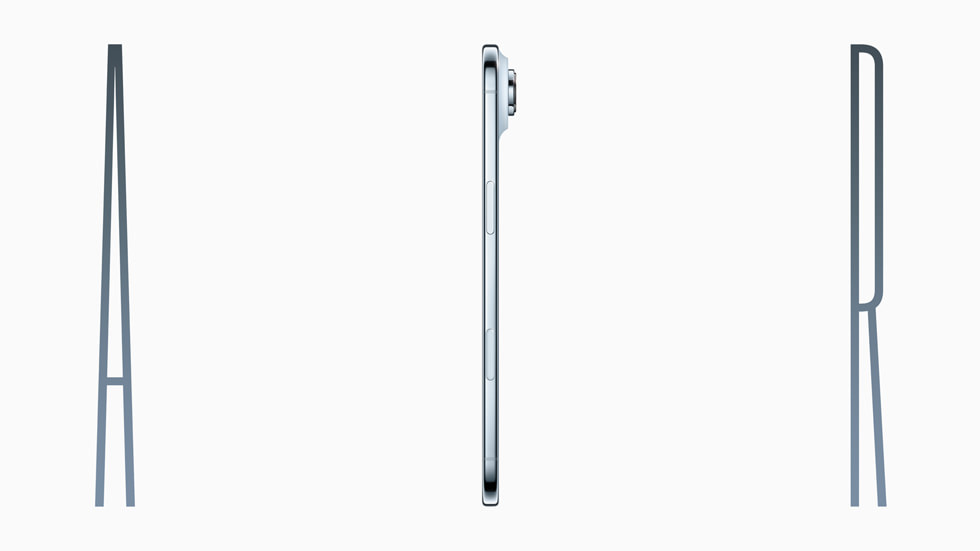
Apple's most daring iPhone in years — impossibly thin at 5.5mm, powered by the A18 chip, and priced at $899. But does the stunning design come at too great a cost to battery life and camera versatility?
Pros
Cons
Overview
Apple has always pushed boundaries with its iPhone lineup, but the iPhone Air represents something genuinely new: a bet that thinness is the next frontier. At just 5.5mm thick and weighing only 145g, the iPhone Air is the slimmest smartphone Apple has ever made — and one of the thinnest flagship phones in the entire industry.
Sitting at $899, it slots between the base iPhone and the Pro models. It borrows the A18 chip from the iPhone 16 Pro, sports a gorgeous 6.5-inch OLED display with ProMotion, and introduces a new "Air" color lineup. But the thin profile forces real trade-offs — most notably in battery capacity and camera count. Here's our full verdict.
Design & Build Quality
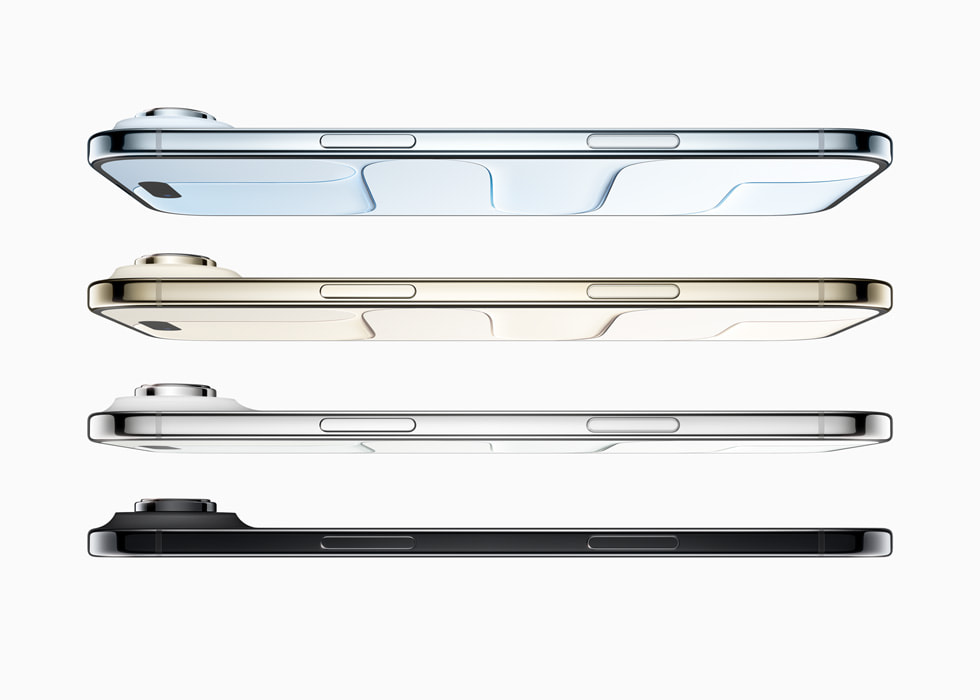
Picking up the iPhone Air for the first time is a genuinely jaw-dropping moment. The 5.5mm profile feels almost unreal — thinner than a standard pencil, thinner than most wallets. Apple uses an aerospace-grade aluminum frame with a matte glass back, and the result feels premium despite being lighter than any iPhone since the original SE.
The display is a 6.5-inch Super Retina XDR OLED with a 2796 × 1290 resolution and Apple's ProMotion 120Hz adaptive refresh rate. It reaches 2,000 nits outdoor brightness and supports Dolby Vision HDR. The Dynamic Island cutout handles Face ID and notifications cleanly, and the bezels are among the thinnest Apple has ever used.
The Action Button returns from the Pro lineup, and USB-C with USB 3 speeds is standard. The iPhone Air is rated IP68 (water-resistant up to 6 meters for 30 minutes) — impressive given how little material is packed into the chassis.
Available colors: Sky Blue, Starlight, Black, White, and Teal. The Sky Blue and Teal finishes are exclusive to the Air and look stunning in person.


Performance
The Apple A18 chip (3nm TSMC) powers the iPhone Air, and it is an absolute rocket. While the Pro Max carries the A18 Pro, the standard A18 is no slouch — it handles everything from video editing to intensive gaming without breaking a sweat. Geekbench 6 multi-core scores land around 7,200, putting it ahead of any Android flagship.
The A18 also includes a 16-core Neural Engine that drives Apple Intelligence features: writing tools, image generation via Image Playground, Priority notifications, and on-device Siri enhancements. All AI processing runs locally, protecting your data.
Thermal management is the one caveat: the thin chassis has less room for heat dissipation. During extended 4K video recording or high-load gaming sessions, the device gets noticeably warm — not uncomfortable, but warmer than a standard iPhone 17. Sustained performance stays consistent, but peak loads are managed more conservatively than on the Pro models.
Camera System
The camera is where the Air's design compromise is most visible. It has a single rear camera — a 48MP main sensor with an f/1.6 aperture and optical image stabilization. There is no telephoto lens and no ultra-wide. For most everyday photography, the 48MP sensor is genuinely excellent: fast focusing, natural color science, and impressive low-light performance thanks to Apple's Photonic Engine processing.
Digital zoom goes up to 2× (using the full sensor) and is usable, but 5× or 10× shots you'd get from a Pro Max are simply not available here. Videographers get 4K@60fps with Dolby Vision, Log format support, and Action Mode stabilization — class-leading for a single-camera system.
The 12MP TrueDepth front camera supports Face ID, 4K selfie video, and Portrait Mode with improved background separation. For social content creators, the selfie camera is one of the best in any phone.
Battery Life
This is the iPhone Air's most debated trade-off. The thin chassis fits only a 2,830 mAh battery — smaller than every other modern flagship. Apple rates it for up to 18 hours of video playback, which translates to roughly 6–7 hours of screen-on time in real-world mixed use.
For light-to-moderate users — messaging, browsing, some video — the Air comfortably gets through a full day. Heavy users (long gaming sessions, 4K video shooting, heavy navigation) may need a top-up by evening. The A18's efficiency helps significantly, but physics is physics: a smaller cell holds less charge.
Charging is via 25W MagSafe 3 wireless (the fastest Apple has offered wirelessly) or USB-C 27W wired. A full charge takes about 75 minutes wired, or you can use the new MagSafe charger for a 50% charge in around 30 minutes.
Software & Apple Intelligence
The iPhone Air ships with iOS 26.5 and is fully compatible with Apple Intelligence. Features include:
- Writing Tools — rewrite, proofread, and summarize text anywhere in iOS
- Image Playground — generate images from prompts directly on-device
- Priority Notifications — AI surfaces what actually matters
- Siri with ChatGPT integration — on-device intelligence with optional cloud extension
- Genmoji — create custom emoji from text descriptions
All Apple Intelligence features run on the A18's Neural Engine, so there is no privacy compromise — your prompts and images never leave the device unless you explicitly opt into ChatGPT integration.
Full Specifications
| Spec | iPhone Air |
|---|---|
| Display | 6.5-inch Super Retina XDR OLED, 2796×1290, 120Hz ProMotion |
| Processor | Apple A18 (3nm TSMC), 6-core CPU, 5-core GPU |
| Neural Engine | 16-core, 35 TOPS |
| RAM | 8GB |
| Storage | 128GB / 256GB / 512GB |
| Rear Camera | 48MP main, f/1.6, OIS, sensor-shift |
| Front Camera | 12MP TrueDepth, f/1.9, autofocus |
| Video | 4K@60fps Dolby Vision (rear), 4K@60fps (front) |
| Battery | 2,830 mAh, ~18hr video playback |
| Charging | 27W USB-C wired, 25W MagSafe wireless |
| Thickness | 5.5mm |
| Weight | 145g |
| Build | Aerospace-grade aluminum + glass, IP68 |
| Connectivity | 5G (mmWave + sub-6GHz), Wi-Fi 7, Bluetooth 5.3, UWB |
| Biometrics | Face ID (TrueDepth) |
| OS | iOS 26.5, Apple Intelligence supported |
| Starting Price | $899 (128GB) |
| Colors | Sky Blue, Teal, Starlight, Black, White |
Who Should Buy the iPhone Air?
The iPhone Air is the perfect iPhone for people who prioritize design, comfort, and everyday performance over max camera versatility and all-day heavy usage. It is ideal for:
- Users upgrading from iPhone 12 or older who want a modern leap
- Anyone who finds flagship phones too heavy or thick
- Casual photographers who don't need a telephoto lens
- Style-conscious buyers who want the most fashionable iPhone in the lineup
It is not ideal for professional photographers, heavy mobile gamers, or anyone who needs to go 10+ hours without charging access.
Final Verdict
The iPhone Air is a triumph of industrial design. Apple has created a smartphone that feels like it is from five years in the future — impossibly light, impossibly thin, yet fully functional and powerful. The A18 chip ensures it will feel fast for years, Apple Intelligence adds genuine utility, and the display is stunning.
The battery and single-camera setup are real trade-offs, not small print. But for the right user — someone who values form, carries a charger, and shoots mostly with the main lens — the iPhone Air delivers an experience no other phone can match. It is the most joyful iPhone to hold since the original.
Verdict
The iPhone Air is Apple's boldest design statement in years — a phone so thin and light it redefines what a flagship can feel like. The A18 performance is superb, the display is gorgeous, and Apple Intelligence works beautifully. If you can accept a single-camera system and moderate battery life, this is the most exciting iPhone you can buy. Rating: 4.4/5.