
Machine learning is transforming industries ranging from healthcare to finance — and now it is also changing how coins are analyzed and identified. Coin similarity detection using machine learning has become an important technology in numismatics, digital banking, and counterfeit detection.
By training AI models with thousands of coin images, computers can now recognize similarities between coins based on shape, texture, engravings, color, and edge patterns with impressive accuracy.
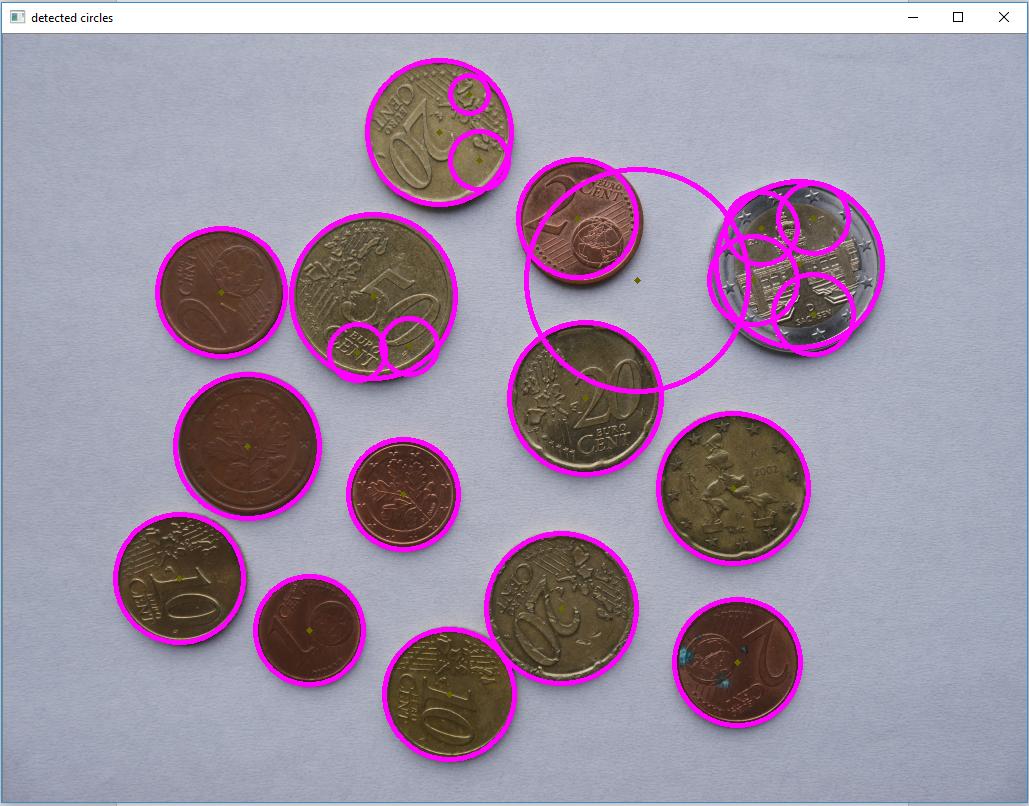
What Is Coin Similarity Detection?
Coin similarity detection is the process of comparing two or more coins using artificial intelligence and computer vision. Instead of relying only on human observation, machine learning algorithms analyze detailed visual patterns to determine whether coins are:
- Genuine or counterfeit
- From the same country or era
- Similar in design
- Rare collectible variants
Modern AI systems use image recognition techniques to extract unique features from coin images and compare them mathematically.
How Machine Learning Works
The process usually involves several steps:
1. Image Collection
Thousands of coin images are collected from different angles and lighting conditions.
2. Feature Extraction
Machine learning models identify important details such as symbols, text engravings, surface texture, coin edges, diameter and shape. Two popular computer vision techniques used here are Hough Transform (for detecting circular shapes) and U-Net (a deep learning model for precise coin segmentation).
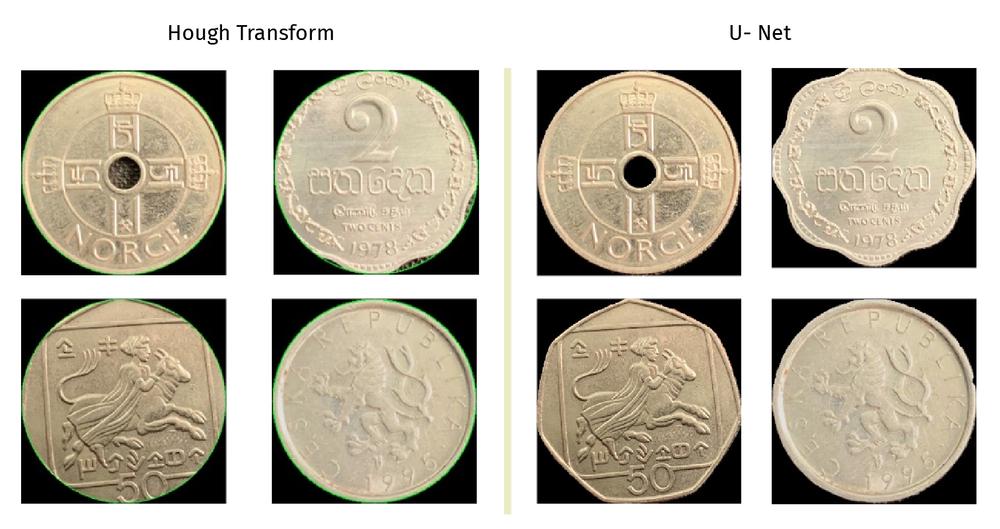
3. Similarity Analysis
AI compares patterns between coins using deep learning and computer vision algorithms. The system then calculates how visually similar two coins are.
4. Classification
The model can categorize coins automatically based on country, year, rarity, or authenticity.
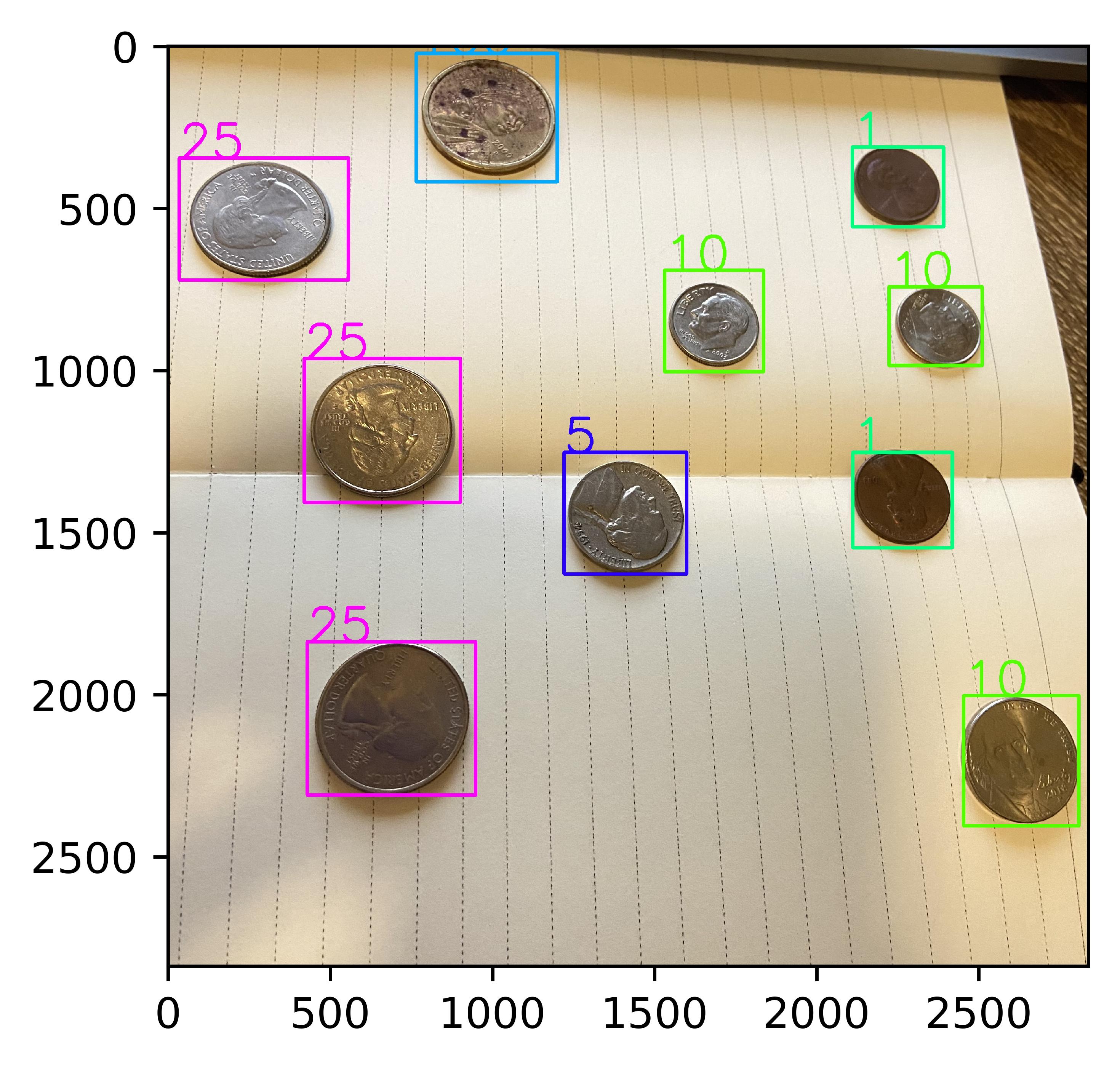
Real-World Applications
Machine learning-based coin similarity systems are now being used in:
- Counterfeit coin detection
- Digital coin cataloging
- Museum archiving
- Online collector marketplaces
- Automated vending and banking systems
Researchers believe future AI systems could identify rare coins faster and more accurately than humans.
Challenges
Despite rapid progress, coin similarity detection still faces some problems:
- Damaged or worn coins reduce accuracy
- Lighting conditions affect image quality
- Rare coins may lack enough training data
- Counterfeit coins are becoming increasingly sophisticated
To solve these issues, researchers are developing more advanced neural networks and larger coin image datasets.
The Future of AI in Numismatics
Artificial intelligence is making coin identification faster, smarter, and more accessible. As computer vision technology improves, collectors, researchers, and financial institutions could soon rely heavily on AI-powered coin analysis systems.
Machine learning is proving that even ancient objects like coins can benefit from the power of modern technology.